
Asset Protection Trust
An asset protection trust is designed to place property inside a structure with clearer separation between the original owner and the assets being protected. The details matter: control, jurisdiction, trustee design, funding, and administration all shape how strong the arrangement really is.
Trust-focused planning
Clear structure for asset protection, long-term stewardship, and family control.
Step-by-step guidance
Planning, drafting, funding, and next-step clarity in one coordinated process.
Designed for real-world use
Built to be understandable, actionable, and easier to maintain over time.
What an asset protection trust is meant to do
At a practical level, an asset protection trust aims to move assets out of direct personal ownership and into a fiduciary structure that is harder for future creditors to reach. The trust terms, the people involved, and the way the assets are transferred all influence the final result.
That is why people often arrive here after first reading about broader asset protection strategies. A trust is one of the strongest tools available, but only when it matches the risk profile and is built with the end goal in mind.
When a trust can make more sense than simple entity planning
Entities can be useful for operating businesses and individual asset compartments, but they do not always address succession, family control, or long-term distribution in the way a trust can. A trust can bring asset separation, trustee oversight, and inheritance planning into one structure.
For legacy assets
A trust can hold family wealth under defined rules instead of leaving future decisions to probate, informal agreements, or co-ownership conflicts.
For higher-risk owners
Professionals, investors, and founders often need more than a business wrapper. Trust planning can complement company-level protection.
For continuity
A trust can continue holding and administering property through disability, retirement, and intergenerational transfer without changing the basic structure.
Domestic and offshore trust approaches
Most people comparing trust structures eventually narrow the field to a domestic asset protection trust or an offshore asset protection trust. Both can be useful, but they solve different comfort levels and planning priorities.
| Feature | Domestic approach | Offshore approach |
|---|---|---|
| Jurisdiction | Uses a U.S. jurisdiction that allows self-settled asset protection trust planning | Uses a foreign jurisdiction selected for stronger creditor barriers and international separation |
| Administration | Often feels more familiar for U.S.-based clients | Usually involves more formal administration and cross-border coordination |
| Best fit | Those wanting a U.S.-based structure with trust protection features | Those seeking a higher level of separation for larger or more visible exposure |
| Planning focus | Balancing protection, control, and domestic convenience | Prioritizing distance, enforcement friction, and stronger deterrence |
What usually matters most before setting one up
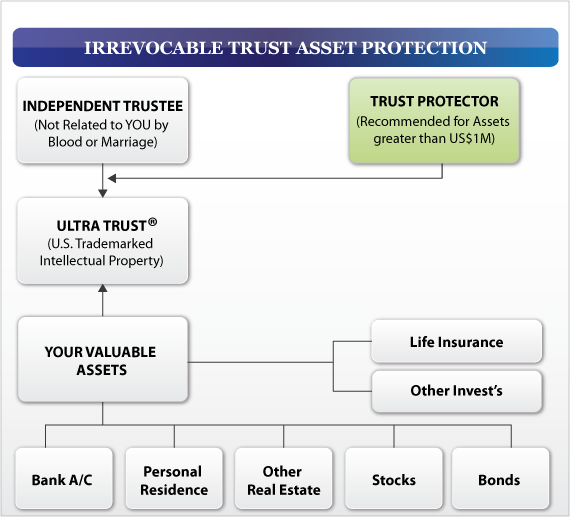
The strongest structure on paper can still disappoint if the design questions are skipped. People should think carefully about who will serve as trustee, what powers remain with the grantor, how distributions are handled, and whether a trust protector would improve flexibility.
- What assets are being transferred, and do they belong in the trust?
- How much direct control is appropriate for the protection goal?
- Should the plan stay domestic, or is an offshore layer more appropriate?
- Will the trust need to work alongside LLCs, partnerships, or estate-planning structures?
- What ongoing administration will be required after funding?
Why funding and administration matter as much as drafting
A trust is only as useful as the assets actually transferred into it and the discipline used to operate it. Bank accounts, entity interests, partnership interests, and titled property all need the right assignments and records. Unfunded or poorly maintained trusts are one of the most common weaknesses in asset protection planning.
That is also why people often review setup cost and ongoing responsibilities at the same time. A lower up-front bill is not much help if the structure is not built to last.
Choosing the right next step
The best asset protection trust is not the one with the most aggressive marketing language. It is the one that fits your assets, your timing, your family goals, and the level of independence the structure needs to have. Comparing options before drafting usually leads to cleaner, more durable planning.
Still deciding between structures?
Reviewing the domestic and offshore paths side by side can make it much easier to see which trust framework matches your situation.
Frequently asked questions
Is every irrevocable trust an asset protection trust?
No. Many irrevocable trusts are created for tax, gifting, estate, or Medicaid planning. An asset protection trust is designed with creditor resistance and structural separation as a central objective.
Can a grantor still benefit from an asset protection trust?
That depends on the jurisdiction, the trust design, and the powers retained. Too much retained control can undermine the separation the planning is trying to create.
How does a trust compare with an LLC for protection?
A trust and an LLC serve different roles. A trust addresses ownership and fiduciary structure, while an LLC usually handles business or asset compartmentalization. In many plans the two are coordinated.
What is the first mistake people make with these trusts?
Waiting until a claim feels imminent, or assuming the drafting alone is enough without careful funding and administration.
Ready to take the next step?
Get clear guidance on trust structure, planning priorities, and the next move that fits your assets and goals.