
Uncategorized
Geston v. Olson. CASE NO. 1:11-CV-044. .857 F.Supp.2d 863 (2012)
GESTON v. OLSON CASE NO. 1:11-CV-044. 857 F.Supp.2d 863 (2012) John and Carolyn GESTON, Plaintiffs, v. Carol K. OLSON, in her official capacity as…

Case studies make planning more concrete because they show how real disputes, family conflicts, and creditor issues expose weak assumptions. Looking at the patterns behind those cases can help people understand why structure, timing, and administration matter so much.

Clear structure for asset protection, long-term stewardship, and family control.
Planning, drafting, funding, and next-step clarity in one coordinated process.
Built to be understandable, actionable, and easier to maintain over time.
Technical planning can feel abstract until a real dispute forces the structure to prove itself. That is why case studies are helpful. They show what kinds of facts draw scrutiny, where assumptions break down, and why seemingly small details can change the outcome.
For readers exploring lawsuit-focused planning or broader asset protection strategies, those lessons can be especially valuable.
Planning done early tends to look very different from transfers made under obvious pressure.
When a structure leaves too much practical control in the same hands, that issue often becomes central later.
Ownership records, transfer history, and administration can matter just as much as the trust language itself.
That approach makes case studies more useful than simply collecting dramatic examples.
Across many disputes, familiar themes return: informal ownership, last-minute transfers, weak funding, role confusion, and structures chosen without a clear objective. Reading the case summaries alongside pages like how the process works and asset protection trust planning can make those themes easier to spot.
The goal is not to read every case. It is to understand the recurring planning patterns that create strength or weakness.
Real-world examples are most helpful when they improve the next planning decision: whether to act earlier, whether to separate assets more clearly, whether a trust needs stronger trustee independence, or whether a family should simplify the structure instead of adding complexity.
The featured case studies below are selected to help readers see those issues in context.
The best time to learn from case studies is before your own structure is tested. Used that way, they become a practical planning tool rather than just an interesting archive of disputes.
A private planning conversation can help translate the lessons from case studies into a structure that fits your own assets and goals.
GESTON v. OLSON CASE NO. 1:11-CV-044. 857 F.Supp.2d 863 (2012) John and Carolyn GESTON, Plaintiffs, v. Carol K. OLSON, in her official capacity as…
ESTATE OF DITO v. Elenice S. Dito, Objector and Respondent. ESTATE OF Frank P. DITO, Deceased. Barbara Merritt et al., Petitioners and Appellants,…

NOT FOR PUBLICATION WITHOUT THE APPROVAL OF THE APPELLATE DIVISION SUPERIOR COURT OF NEW JERSEY APPELLATE DIVISION DOCKET NO. A-2792-10T1 JAMES R. HAPPOLD,…
296 S.W.3d 864 (2009) William JUREK Jr., Appellant, v Tawana COUCH-JUREK, Appellee. No. 08-08-00110-CV. Court of Appeals of Texas, El Paso. September 23, 2009.…
Michelle Galetta, Appellant, v Gary Galetta, Respondent. Francis C. Affronti, for appellant. Kathleen P. Reardon, for respondent. Galetta v Galetta 2013 NY Slip…

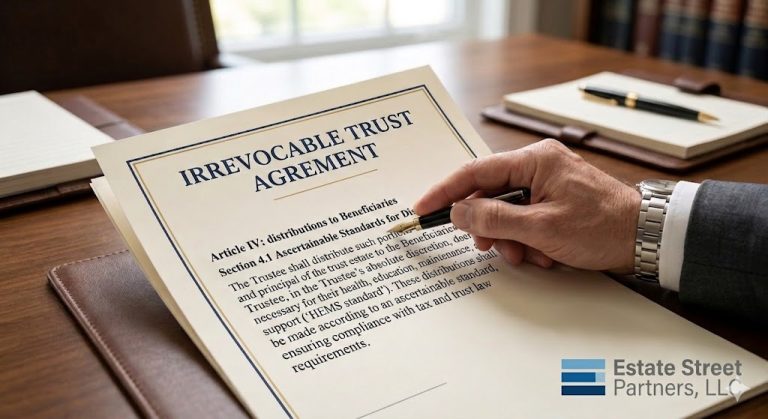
Ascertainable Standard vs Discretionary Trusts: Protecting Your Wealth from Creditors The difference between how your trust distributes money can mean the difference between keeping…
No. They are useful because they show patterns and planning lessons, not because every fact pattern is identical.
Because many disputes come down to when planning happened and how much practical control remained with the original owner.
They can be very helpful because they make common planning mistakes and strengths easier to recognize.
Yes. They often highlight ownership, administration, and liability issues that matter to founders and closely held owners.
Get clear guidance on trust structure, planning priorities, and the next move that fits your assets and goals.