
How It Works
Trust and asset protection planning works best when the process is clear from the beginning. A structured approach helps turn a broad goal—protecting wealth, organizing ownership, or preparing for long-term stewardship—into a plan that can actually be carried out.
Trust-focused planning
Clear structure for asset protection, long-term stewardship, and family control.
Step-by-step guidance
Planning, drafting, funding, and next-step clarity in one coordinated process.
Designed for real-world use
Built to be understandable, actionable, and easier to maintain over time.
Step one: understand the facts before choosing a structure
The first stage is usually a review of the family and asset picture: what is owned, how it is titled, where the exposure points are, and what the trust or asset protection plan needs to accomplish. Without that foundation, choosing a structure too early often leads to the wrong answer.
This is where families often discover whether the priority is general asset protection, a more targeted trust structure, long-term care planning, or a more technical trust conversation.
Step two: map the structure that fits
- 1
Clarify the objective
Decide whether the main goal is protection, continuity, succession, long-term care planning, technical estate planning, or a coordinated mix.
- 2
Choose the core structures
Select the trust, entity, or layered approach that matches the assets and the risk profile.
- 3
Define the people involved
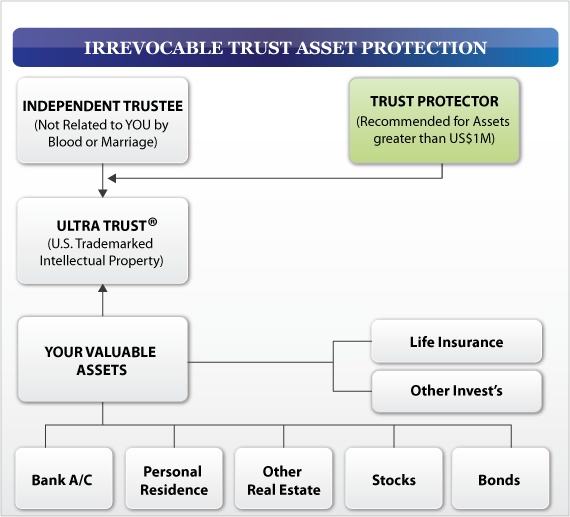
Trustee, protector, grantor, and beneficiary design all need to support the chosen structure.
- 4
Prepare for funding
Identify which assets need to move and what documents or records will make the structure effective.
Step three: draft, organize, and fund
Once the design is clear, the next stage is implementation. The trust documents must reflect the actual objective. Related entities or companion documents may need to be coordinated. Then the trust has to be funded so the ownership change exists in practice, not just on paper.
Drafting with purpose
The trust language should support the reason the structure was chosen in the first place.
Funding with follow-through
Assignments, title changes, and transfer records are what turn a plan into a real structure.
Coordination across assets
Real estate, accounts, and business interests often require different funding mechanics.
Step four: review administration and next-stage support
A trust is not finished the day it is signed. Administration, recordkeeping, beneficiary communication, and future life events all influence how well the structure holds up. That is why good planning includes clarity about what should happen after setup, not just before it.
This is also where people often ask about cost, ongoing support, and how to keep the structure aligned as assets and family circumstances change.
What makes the process smoother
- Clear information at the outset
- Realistic goals instead of generic assumptions
- A structure chosen for the facts, not for the acronym
- Orderly funding and documentation
- A willingness to review and update the plan as life changes
When those pieces are present, the process is usually more efficient and the final structure is more reliable.
From first conversation to durable structure
The value of a clear process is not only speed. It is confidence that the trust or protection strategy was chosen for the right reasons, implemented correctly, and built to support the next chapter instead of just the signature date.
Ready to begin?
A private consultation is the easiest way to move from questions and research into a practical next step.
Frequently asked questions
What happens first in the planning process?
The first step is usually a review of the assets, ownership structure, exposure points, and planning goals before any particular trust is chosen.
Does the process stop once the trust is signed?
No. Funding, administration, and future updates are often just as important as the original drafting.
How do I know which trust type fits?
That usually becomes clearer once the facts, goals, and asset mix are reviewed together.
Can the process involve both trusts and entities?
Yes. Many plans use more than one structure because different assets and goals call for different tools.
Ready to take the next step?
Get clear guidance on trust structure, planning priorities, and the next move that fits your assets and goals.