Irrevocable Trust

Advantages of Trust

Advantages of a Trust   Trusts are a powerful tax planning tool but they also have many other uses which are of equal if not greater importance. A properly drafted and managed trust can confer advantages…

Quick navigation

Jump to the section you need

Use these quick links to go straight to the answer, example, or planning point that matters most right now.

  1. Asset protection
  2. Tax planning
  3. Avoiding the expense and delays of the probate process
  4. Confidentiality
  5. Avoiding forced heirship
  6. Estate planning
  1. Protecting the weak
  2. Preserving family assets
  3. Continuing a family business
  4. Gaining flexibility
  5. Common questions about this article

Advantages of a Trust


Protect your assets from lawsuits, divorce, Medicaid.Trusts are a powerful tax planning tool but they also have many other uses which are of equal if not greater importance. A properly drafted and managed trust can confer advantages under any or all of the following:

Asset protection

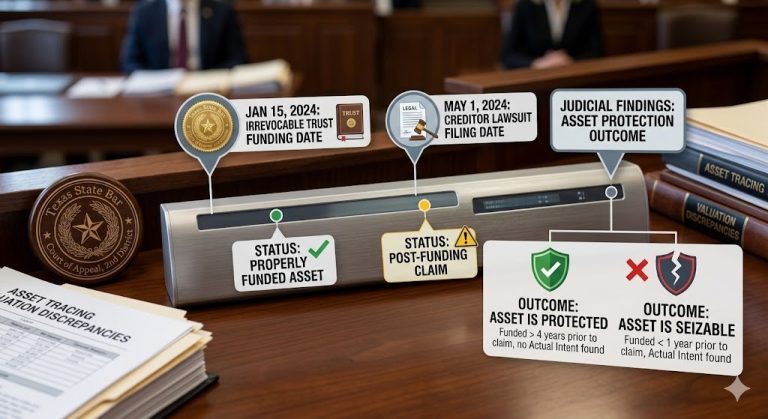
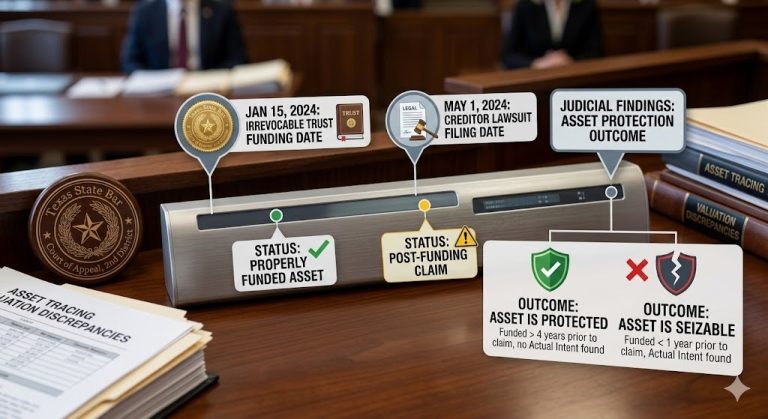
Trusts can be used very effectively to protect assets. In simple terms, assets transferred to a trust no longer belong to the grantor and therefore if the grantor experiences financial problems the trust assets cannot be attached by the creditors of the grantor due to bankruptcy, dissolution of marriage, or a court award made as a result of, for example, a professional negligence claim. Thus, although the grantor may be declared insolvent, a portion of his assets might be safeguarded by the trust structure.
 

Tax planning


Assets transferred into a suitably drafted trust structure are, in simple terms, no longer considered as belonging to the grantor and therefore the income and capital gains generated by those assets are taxed according to the rules in the country of residence of the legal owners – the trustees.
 
Inheritance tax would normally be eliminated because the trustees would not die upon the death of the grantor. Generally speaking, trusts can be extremely effective for tax planning purposes and a correctly structured and administered trust will produce substantial savings in income tax, capital gains tax and inheritance tax/estate.
 

Avoiding the expense and delays of the probate process


The death of the head of the family will usually result in major disruption of the family estate whether or not there is a will. In most common law jurisdictions the estate must go through the probate procedure with much consequential delay, expense, publicity and upheaval.
 
By establishing a trust, probate can be avoided because “death” will have no effect on the trust property which will continue to be held and managed in confidence by the trustees in accordance with the terms of the trust.
 

Confidentiality


Assets in a trust are completely confidential, it’s a private matter. Assets NOT in a trust, goes to probate, with or without a will. The “probate procedure” a public procedure. A complete list of all the property owned by the deceased becomes a PUBLIC RECORD in order that that property can be assessed for estate taxes and in order that the property can be legally transferred to the executors who may then distribute to the legal heirs of the deceased according to the will.
 
This probate procedure is therefore entirely unsuitable for those who wish to keep details of their assets confidential.
 

Avoiding forced heirship


In non-common law jurisdictions there will often be questions of forced heirship to consider i.e. the deceased will not be permitted to leave his property to anyone he wishes on his death. This problem of forced heirship can be avoided by a properly drafted trust.
 

Estate planning


Many people do not want their assets to pass outright to their heirs, whether chosen by them or as prescribed by law, and prefer to make more complicated arrangements. These might involve providing a source of income for a widow for life, making provision for the education of children or providing a fund to protect members of the family in the event of sudden illness or other disasters. A trust is probably the most satisfactory and flexible way of making arrangements of this kind.
 

Protecting the weak


A trust provides a vehicle by which a person can provide for those who may be unable to manage their own affairs such as infant children, the aged, the disabled and persons suffering from certain illnesses.
 

Preserving family assets


Preserving the family assets or increasing them is often a motive for setting up a trust. Thus, an individual may wish to ensure that wealth accumulated over a lifetime is not divided up amongst the heirs but retained as one fund to accumulate further, with provision for payments to members of the family as the need arises while preserving some assets for later generations.
 

Continuing a family business


A person who has built up a business during a lifetime will often be concerned to ensure that it continues after death. If the shares in the company are transferred to trustees prior to death a trust can be used to prevent the unnecessary liquidation of a family company. The terms of the trust will ensure that the individual’s wishes are observed. These might include provision for payments to be made to members of the family from dividend income received by the trustees but that the trustees retain the shares and keep the company running save in special circumstances justifying sale of control or liquidation. This may be particularly advantageous where the family members have little business experience of their own or where they are unlikely to agree on the correct way to manage the business.
 

Gaining flexibility


The best laid plans can, in a changing world, rapidly become obsolete. A discretionary trust can, however, be structured to provide for a system of management of property that is capable of rapid change as circumstances demand.

An irrevocable trust, is an asset protection fortress when it’s the owner of your sub “S” stock, a limited liability company, the general partner of a limited partnership, the general partner of a family limited partnership, the shareholder of an international business corporation, or other recognized legal entities.

Answers that help

Common questions about this article

These answers summarize the topic in plain English so readers can move from the article into the next practical planning page.

What is the main takeaway from "Advantages of Trust"?

Advantages of a Trust   Trusts are a powerful tax planning tool but they also have many other uses which are of equal if not greater importance. A… The article is meant to give readers a practical understanding of the issue so they can connect the topic to planning decisions instead of treating it as an isolated legal phrase.

Who should read this article?

This article is usually most useful for readers who are trying to understand advantages of trust before making a trust, ownership, or asset protection decision and want a clearer explanation in everyday language.

Why does this topic matter in broader planning?

Topics like this matter because one misunderstood issue can change how readers think about timing, control, funding, or exposure. Articles like this help turn a broad concern into a more focused next step.

What should readers compare after finishing this article?

Most readers go next to a related trust page, a comparison page, or another article in the same category so they can test the idea against a larger planning framework before deciding what to do next.

Related resources

After reading Advantages of Trust, most readers want a clearer next step: which structure answers the same problem, what timing changes the result, and where the practical follow-up questions usually lead.

What people compare next

The next question is usually not abstract. It is whether a trust, an entity, or a different planning step does the real job better in your situation.

What often changes the answer

Timing, ownership, funding, and how much control you want to keep usually matter more than labels alone.

When a conversation helps more

Once structure, timing, and next steps start intersecting, it usually helps to talk through the options in the right order.

Explore Asset Protection Trust

See how trust-based planning is used to protect wealth, organize control, and support long-term decisions.

Explore Irrevocable Trust

Understand how irrevocable trust planning works, when people use it, and what tradeoffs usually matter most.

Explore How It Works

Follow the planning process from consultation through drafting, funding, and the next practical steps.

Explore Ebook

Download the guide for a longer walkthrough you can read at your own pace and revisit later.

Explore Main Blog

Browse more practical articles, comparisons, and next-step guidance across the full UltraTrust blog.

Explore Contact

Reach out when you want to talk through timing, structure, and the next steps that best fit your situation.

What people usually compare next

Most readers compare structure, timing, control, and the practical next step after narrowing the issue in the article above.

What usually makes the answer more specific

Actual ownership, funding, current exposure, and how much control someone wants to keep usually matter more than labels in isolation.

When another step helps more than another article

Once timing, structure, and next steps start overlapping, it often helps to talk through the sequence instead of trying to compare everything mentally.

Questions readers usually ask next

Clear answers make it easier to compare structure, timing, control, and the next step that fits best.

What usually matters most before moving ahead with a trust-based protection plan?

Most people get the clearest answer by looking at timing, current ownership, funding, and how much control they want to keep. Those points usually shape the next step more than labels alone.

How do readers usually decide which related page to read next?

Most readers move next to the page that answers the practical question left open after the article, whether that is lawsuit exposure, business-owner risk, trust structure, cost, or how the process works.

When does it help to compare more than one structure instead of stopping with one article?

It usually helps as soon as the decision involves more than one concern at the same time, such as protection, control, taxes, family planning, or business exposure. That is when side-by-side comparison becomes more useful than reading in isolation.

What makes the next step feel more practical and less theoretical?

The next step feels more practical once the discussion turns to actual assets, ownership, timing, and the sequence of decisions that would need to happen in real life.

Ready to take the next step?

Get clear guidance on trust structure, planning priorities, and the next move that fits your assets and goals.