Answers to the asset protection questions people ask most
Families, business owners, and professionals usually begin with the same concerns: whether an irrevocable trust can really help, what happens if a lawsuit is already on the horizon, which assets can be moved into trust, and how divorce, probate, Medicaid planning, or offshore options change the strategy. The answers below are designed to make those decisions easier to understand before the next move becomes urgent.
What matters first
Timing, ownership, funding, and how much control the original owner wants to keep usually shape the answer more than the trust label alone.
What people usually want to know
Whether trust planning can actually help before a lawsuit, estate issue, or family planning decision becomes expensive.
What helps with the next step
Comparing the questions below with the main planning pages so the next conversation is practical, not theoretical.
Questions people ask most
Most families are comparing timing, control, cost, and exposure at the same time. The most useful questions are usually the ones that turn broad concern into a practical next decision.
- Can an irrevocable trust still be challenged?
- What assets can actually be moved into trust?
- When does domestic planning beat offshore planning?
- How do Medicaid, divorce, and probate change the picture?
Where the answer often changes
Whether the assets are already exposed, how they are titled today, and how much control the original owner still wants to keep can change the planning route quickly.
What usually helps next
Pairing these answers with the main trust and lawsuit-planning guides makes the next conversation easier to follow and more grounded in real choices.
Asset protection questions and answers
Can someone sue an irrevocable trust?
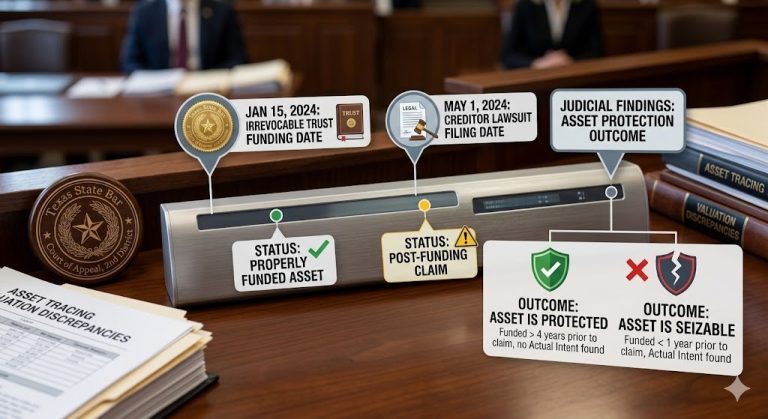
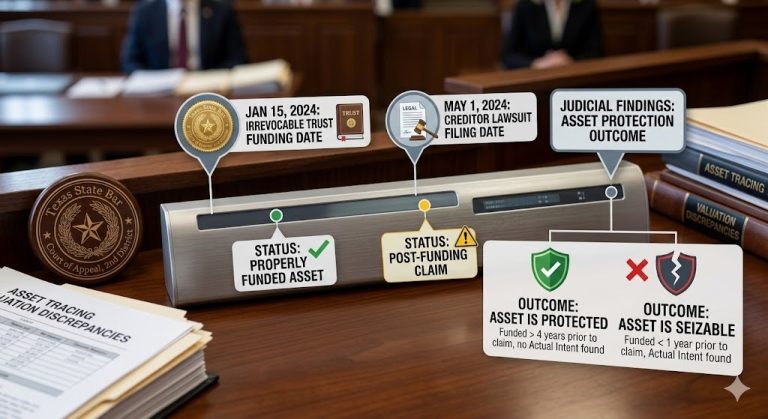
A claimant can try to sue any structure that owns property, but a properly drafted, managed, and funded irrevocable trust is usually designed so a judgment does not automatically open the trust assets to collection. In practical terms, the real issue is whether ownership, funding, and administration were handled correctly before the problem arose.
Can a trust be sued?
In many disputes, the plaintiff starts by suing the original owner or another related party rather than the trust itself. When assets have been moved into an irrevocable trust under sound legal terms, the creditor normally has to prove a separate basis such as fraudulent transfer before trying to reach trust property.
What can be put in a trust?
Real estate, investment accounts, savings, operating entities, life insurance interests, collectibles, intellectual property, and other valuable assets can often be placed in trust. The important step is not just listing the asset, but retitling and documenting it so the trust truly becomes the owner.
Can a financial advisor set up a trust?
A financial advisor can explain planning concepts and help you think through goals, but the legal drafting and formal setup should be handled by a qualified attorney or licensed legal professional. Courts care about who drafted the document and whether the structure was established correctly under the law.
Can you be a beneficiary of your own trust?
You can be a beneficiary in some trust structures, but with an irrevocable trust that choice can weaken protection because it may make the assets look too closely tied to you. Conservative planning usually keeps meaningful separation between the original owner and the beneficial interests that matter most.
How do I protect assets during divorce?
Divorce-related planning works best when it happens early, before conflict escalates. Ownership structure, state rules, timing, and whether the transfer happened before marriage or long before a dispute can make the difference between a strong planning position and a challenge that is hard to defend.
How do the rich protect their wealth?
High-net-worth families usually do not rely on a single document. They combine irrevocable trusts, companies, limited liability structures, coordinated estate planning, and careful funding so ownership and control are separated in ways that reduce exposure to lawsuits, probate issues, and transfer-tax pressure.
How do people plan around Medicaid without making illegal moves?
The correct approach is pre-planning, not concealment. Irrevocable trusts and compliant financial strategies are used ahead of time so assets are no longer counted in the same way under applicable Medicaid rules. Timing matters because look-back rules and penalties can apply if planning happens too late.
How much does an offshore trust cost?
Offshore planning is usually far more expensive than domestic planning because it often adds foreign trustees, compliance work, cross-border legal review, and continuing administration. For many people, a domestic structure delivers the better cost-to-benefit ratio unless the asset profile truly justifies the added complexity.
Which is better: domestic or offshore asset protection?
That depends on asset mix, liquidity, risk profile, and how much complexity you are prepared to manage. Domestic structures are often the more practical fit for U.S. clients, while offshore planning can provide an extra layer in the right circumstances but usually at much higher setup and maintenance cost.
What is a living will versus a living trust?
A living will addresses medical wishes if you cannot speak for yourself. A living trust deals with asset management and distribution. They solve different problems, so most people should not treat them as interchangeable documents.
What is the difference between a revocable trust and a will?
A will directs what happens at death and normally passes through probate. A revocable trust is used to hold and manage assets during life and after death, which can reduce court involvement and add privacy. For stronger asset protection, however, many families compare those options against irrevocable trust planning.
Helpful next steps
Most people do not stop with one answer. After the first question is clear, the next priority is usually comparing the main planning routes, understanding how structure changes risk, and choosing which guide explains the next decision best.
Asset Protection
Start with the main planning route for reducing exposure before a claim becomes urgent.
Asset Protection Trust
See when trust-based planning becomes the stronger long-term fit.
Irrevocable Trust
Understand how ownership, control, and funding work in practice.
How It Works
Follow the planning process from consultation through drafting and funding.
Protection From Lawsuit
Focus on what changes once liability feels active or visible.
Medicaid Irrevocable Trust
Compare care-planning questions against asset protection timing.
Revocable vs Irrevocable Trust
Clarify which tool fits privacy, probate, and stronger protection goals.
Contact Us
Reach out when the question is tied to a real asset, real timing, or real risk.