

Irrevocable Trust

Disclaimer: Estate Street Partners, Ultra Trust

Disclaimer: Estate Street Partners   If you do not agree with this disclaimer, please leave this website. This website is provided to you (the recipient) with the understanding the publisher (Estate Street Partners, LLC) is not…

Quick navigation

Jump to the section you need

Use these quick links to go straight to the answer, example, or planning point that matters most right now.

  1. Disclaimer: Estate Street Partners
  2. What often changes the answer
  3. What usually shapes the next step
  4. Where readers often continue
  5. Common questions about this article
  1. What is the main takeaway from "Disclaimer: Estate Street Partners, Ultra Trust"?
  2. Who should read this article?
  3. Why does this topic matter in broader planning?
  4. What should readers compare after finishing this article?

Disclaimer: Estate Street Partners


If you do not agree with this disclaimer, please leave this website. This website is provided to you (the recipient) with the understanding the publisher (Estate Street Partners, LLC) is not engaged in rendering legal, accounting, tax, or other professional opinions. This website does not constitute the rendering of legal advice or services. This website is intended for informational use only and is not a substitute for legal advice. State laws within the United States and countries outside the United States vary, so consult with an attorney in all legal matters. This website was not prepared by a person licensed to practice law in any state within the United States or in any country outside the United States. The publisher (Estate Street Partners, LLC) specifically disclaims any liability, loss of risk, personal or otherwise, incurred directly or indirectly as a consequence of the use and application of any of the information contained in this website. In no event will the editor, publisher (Estate Street Partners, LLC) or distributor of this website be liable to you (the recipient) for any amount greater than one United States dollar (US$1.00). If you do not agree with this disclaimer, please leave this website. Thank you!
 
Circular 230 disclaimer: To ensure compliance with requirements imposed by the IRS, we inform you that any U.S. federal tax advice contained in this site is not intended or written to be used, and cannot be used, for the purpose of (i) avoiding penalties under the Internal Revenue Code or (ii) promoting, marketing or recommending to another party any transaction or matter addressed herein.
 
This disclaimer described herein are current disclaimer policies as of Feb 12th, 2007. Estate Street Partners reserves the right to modify or amend this policy at any time consistent with the requirements of Estate Street Partners Principles. Appropriate public notice will be given concerning such amendments.

Helpful resources: Helpful next steps often include Revocable vs Irrevocable Trust, Case Studies, and official CFPB guidance for heirs before making final trust-planning decisions.

What often changes the answer

After reviewing Disclaimer: Estate Street Partners, Ultra Trust, many people want a clearer sense of how the answer changes once real life timing, funding, and control are added to the discussion.

What usually shapes the next step

  • Timing matters because planning choices usually become narrower once a problem is already close.
  • Control matters because the answer often depends on how much access or authority the owner wants to keep.
  • Funding matters because a trust or entity has to be set up and maintained correctly to matter.

Where readers often continue

A practical next reading path is Asset Protection Trust, Irrevocable Trust, and How It Works. When the question turns from reading to implementation, many readers move from these guides to a direct planning conversation.

Answers that help

Common questions about this article

These answers summarize the topic in plain English so readers can move from the article into the next practical planning page.

What is the main takeaway from "Disclaimer: Estate Street Partners, Ultra Trust"?

Disclaimer: Estate Street Partners   If you do not agree with this disclaimer, please leave this website. This website is provided to you (the recipient) with the understanding… The article is meant to give readers a practical understanding of the issue so they can connect the topic to planning decisions instead of treating it as an isolated legal phrase.

Who should read this article?

This article is usually most useful for readers who are trying to understand disclaimer estate street partners ultra trust before making a trust, ownership, or asset protection decision and want a clearer explanation in everyday language.

Why does this topic matter in broader planning?

Topics like this matter because one misunderstood issue can change how readers think about timing, control, funding, or exposure. Articles like this help turn a broad concern into a more focused next step.

What should readers compare after finishing this article?

Most readers go next to a related trust page, a comparison page, or another article in the same category so they can test the idea against a larger planning framework before deciding what to do next.
Related resources

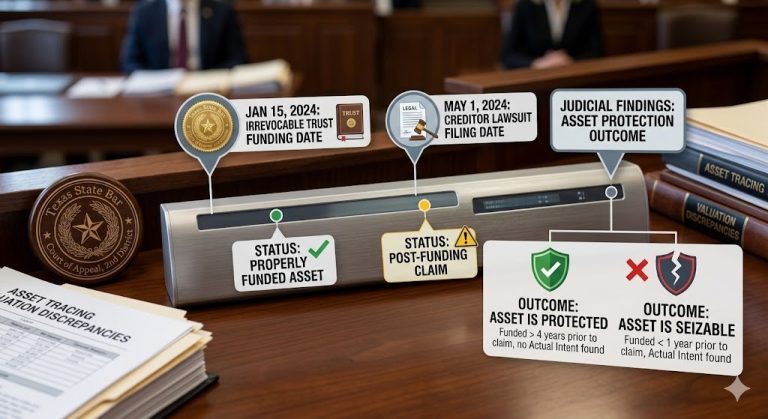
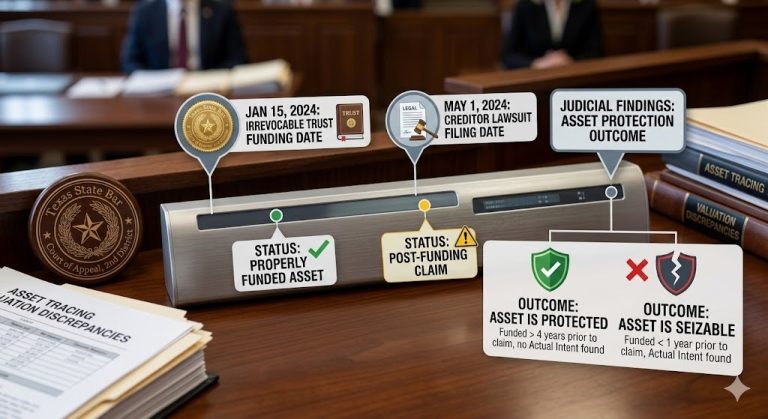
Readers focused on lawsuit pressure usually want to compare what protection needs to be in place before a claim, what counts as risky timing, and which structures still leave gaps.

What people want to know first

The first concern is usually whether protection still works once risk feels real, or whether timing has already become the deciding factor.

What most readers compare next

Trust structure, entity structure, and transfer timing usually become the next practical questions.

When a conversation helps more

Once structure, timing, and next steps start intersecting, it usually helps to talk through the options in the right order.

Explore Asset Protection Trust

See how trust-based planning is used to protect wealth, organize control, and support long-term decisions.

Explore Irrevocable Trust

Understand how irrevocable trust planning works, when people use it, and what tradeoffs usually matter most.

Explore Asset Protection From Lawsuit

Review how timing, creditor pressure, and pre-claim planning change the strategy.

Explore How It Works

Follow the planning process from consultation through drafting, funding, and the next practical steps.

Explore Ebook

Download the guide for a longer walkthrough you can read at your own pace and revisit later.

Explore Main Blog

Browse more practical articles, comparisons, and next-step guidance across the full UltraTrust blog.

What people usually compare next

Most readers compare structure, timing, control, and the practical next step after narrowing the issue in the article above.

What usually makes the answer more specific

Actual ownership, funding, current exposure, and how much control someone wants to keep usually matter more than labels in isolation.

When another step helps more than another article

Once timing, structure, and next steps start overlapping, it often helps to talk through the sequence instead of trying to compare everything mentally.

Questions readers usually ask next

Lawsuit-focused readers usually want clearer answers around timing, transfer risk, creditor access, and which structure still leaves avoidable gaps.

Can a protection plan still help once a lawsuit feels close?

That usually depends on timing, transfer history, and whether the structure was created before the pressure became obvious. The closer the threat, the more important the facts become.

Why do readers keep comparing trust planning with entity planning in lawsuit situations?

Because they solve different parts of the problem. Entity planning often addresses operating liability, while trust planning is usually part of the conversation about where personal wealth is held.

What often changes the answer in creditor-protection planning?

Transfer timing, funding, retained control, and the facts surrounding the claim usually change the answer more than broad marketing language ever does.

When is the next step to review structure instead of just asking broader questions?

It usually becomes a structure question once the discussion turns to real assets, current ownership, and whether the plan needs to work before a known problem gets closer.

Ready to take the next step?

Get clear guidance on trust structure, planning priorities, and the next move that fits your assets and goals.